
Residential Window Film
Residential Window Tinting & Home Window Film in Jacksonville FL & St. Augustine
Residential window film is a practical way to improve the performance of existing glass without replacing your windows or giving up the natural light you enjoy. For homeowners in Jacksonville, St. Augustine, the Beaches, Ponte Vedra, and surrounding Northeast Florida communities, the right film can help with rooms that overheat, harsh daytime glare, UV exposure, limited privacy, and other common glass-related concerns.
Solar Shade Window Tint installs residential window film for heat rejection, UV protection, glare control, privacy, decorative glass, safety and security applications, and specialty residential needs. Different films are designed for different goals, so a sun-facing living room may call for a very different product than a bathroom window, front door sidelight, home office, or coastal property.
We do not treat home window tinting as a one-film-fits-all service. Glass type, window orientation, room use, desired natural light, exterior appearance, neighborhood requirements, and the performance you want all matter. Our team helps homeowners compare appropriate options so the finished installation works with the home instead of simply making the glass darker.
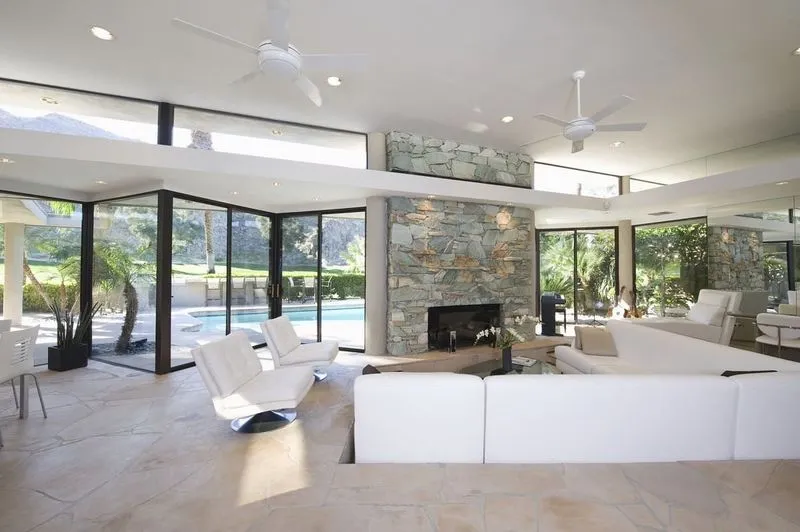
Need Help Choosing?
Request a Quick Callback
Have a question about pricing, timing, film options, or which service is right for your vehicle, home, or business? Send your name and number and Solar Shade will follow up.
Service Benefits
Comfort, Protection, and Performance
Professional film installation can improve the way your vehicle, home, business, or specialty glass performs every day.
Heat Rejection
Helps reduce solar heat entering through sun-facing glass so bright rooms can feel more comfortable throughout the day.
UV Protection
Many residential films block up to 99% of UV rays, helping reduce a major contributor to fading on floors and furnishings.
Glare and Privacy
Reduce harsh glare and add privacy to bathrooms, entry glass, offices, bedrooms, patio doors, and other exposed windows.
Specialty Options
Film options can also address decorative privacy, safety and security, and coastal turtle-glass requirements when needed.
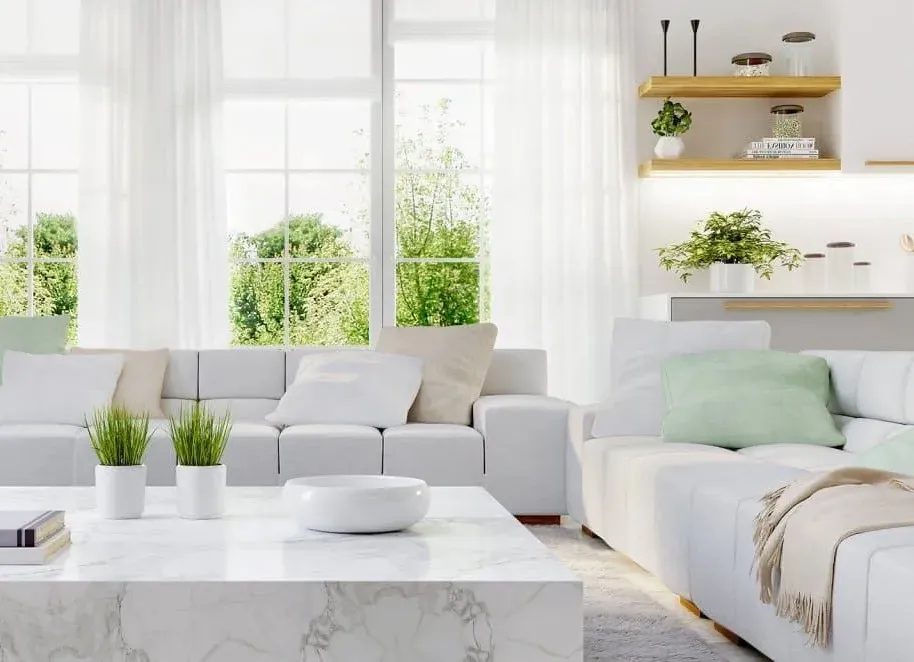
Heat and Glare Control
Make Sun-Facing Rooms Easier to Live In
Some rooms are simply harder to keep comfortable in Northeast Florida. Large windows, sliding glass doors, west-facing living areas, sunrooms, upstairs rooms, and spaces with long periods of direct sunlight can collect noticeable heat and glare even when the rest of the home feels comfortable.
Heat rejection window film is designed to reduce a portion of the solar energy passing through the glass while allowing useful natural light to remain. The best-performing option is not automatically the darkest film. Depending on the glass and the homeowner’s priorities, there may be lighter or more neutral films that provide meaningful solar control without dramatically changing the appearance of the windows.
Choosing the right product starts with looking at where the heat is coming from, how the room is used, the direction the windows face, and the type of glass already installed. That allows us to recommend residential window film based on the actual problem instead of applying the same tint throughout the entire house.
UV and Interior Protection
Reduce UV Exposure Around Floors and Furnishings
Florida sunlight can affect more than room temperature. UV exposure is one of the factors that contributes to fading and deterioration of hardwood floors, furniture, rugs, artwork, curtains, cabinets, and other interior finishes located near windows and glass doors.
Many residential window films are designed to block up to 99% of UV rays while still allowing substantial visible light into the home. That makes UV protection window film useful in bright living rooms, dining areas, home offices, bedrooms, entryways, and other spaces where valuable or frequently used furnishings receive regular sunlight.
No window film can completely stop every cause of fading because visible light, heat, material quality, and age also play a role. The goal is to reduce a major source of exposure while preserving the view and natural light that made the windows appealing in the first place. We can help balance UV protection with heat rejection, glare control, and the appearance you want.
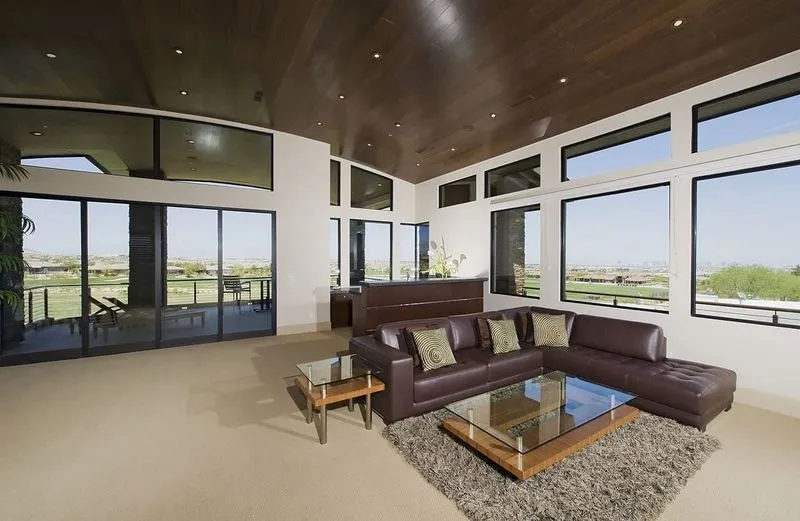
Privacy Window Film
Add Privacy Without Giving Up Natural Light
Blinds and curtains are not always the best answer for glass that feels too exposed. Privacy window film can be a useful option for bathroom windows, front doors, sidelights, bedrooms, home offices, patio doors, pool-facing rooms, and street-facing glass where homeowners want privacy without keeping the room closed off all day.
Different privacy films work in different ways. Frosted and decorative window films obscure the view through the glass while continuing to transmit light. Reflective and solar-control films can provide useful daytime privacy when exterior light is brighter than the interior, but they should not be treated as guaranteed nighttime privacy once the lights are on inside.
The right choice depends on the room and the look you want. Some homeowners want a clean frosted finish that works day and night. Others want to preserve a clearer exterior view while reducing daytime visibility from outside. Our installers can help match the film to the amount of privacy, natural light, and decorative effect the space requires.
Professional Installation
Match the Film to the Glass and the Goal
Not every window film belongs on every piece of residential glass. Window construction, coatings, insulation, exposure, size, and condition can all affect which products are appropriate. Dual-pane windows, Low-E glass, laminated glass, tempered glass, and specialty glazing should be evaluated before a film is selected rather than assuming any residential tint will work.
A professional window film installation begins with identifying the glass and discussing what the homeowner wants to change. The glass is then carefully cleaned and prepared before the film is measured, fitted, installed, and finished. Some temporary moisture, light haze, or small water pockets can be visible while newly installed architectural film cures, with the final appearance improving as that moisture dries.
Homes with more specialized needs may also benefit from products such as security window film or turtle glass window film. Those applications have different goals than standard heat or privacy film, which is why professional product selection matters. To discuss your home’s glass, call (904) 654-2173 or schedule a residential window film consultation.
Residential Window Film for Jacksonville and St. Augustine Homes
Window problems are often room-specific. One side of a home may receive intense afternoon sun while another stays comfortable. A front entry may feel exposed from the street, while a bathroom needs privacy without losing daylight. Large patio doors may create glare across a television or home office even though the glass itself is in good condition. Residential window film gives homeowners a way to address those issues without replacing otherwise functional windows.
For homes in Jacksonville, St. Augustine, and throughout Northeast Florida, product selection matters because sunlight, exposure, glass construction, and homeowner preferences can vary significantly from one property to the next. A professional house window film installation should begin by identifying the problem first, then choosing a film with the appropriate heat rejection, visible light, privacy, UV protection, and exterior appearance.
Heat Rejection Window Film Does Not Have to Look Like Dark Tint
Homeowners sometimes assume that reducing heat requires making their windows noticeably dark. Modern residential film options give installers more flexibility. Depending on the window and performance goal, a lighter or more neutral heat rejection window film may reduce solar heat while preserving much of the natural light and view through the glass.
This is particularly useful for living rooms, kitchens, bedrooms, home offices, sunrooms, and other areas where homeowners want relief from bright Florida sunlight but do not want to feel like the shades are closed all day. Some people search for energy saving window film for the same reason. Reducing solar heat through glass can lessen the heat entering a room, although actual household energy savings depend on many factors including the home, HVAC system, insulation, exposure, and film selected.
Privacy Window Film Should Match How the Room Is Used
Privacy window film can solve very different problems depending on the location. Frosted film may be ideal for a bathroom window or front door sidelight because it obscures the view consistently. Decorative window film can add a finished look to entry or interior glass. A reflective film may be a better fit for homeowners seeking daytime privacy and solar control while maintaining more outward visibility.
The important distinction is that reflective privacy is affected by lighting conditions. A film that makes it difficult to see into a home during the day may provide much less privacy after sunset when interior lights are brighter than the exterior. A knowledgeable installer should explain that difference before recommending a product.
What to Expect From Residential Window Film Installation
Before installation, the glass should be evaluated for compatibility and measured for the selected film. On installation day, the window surface is thoroughly cleaned so dust, debris, adhesive residue, and other contaminants do not become trapped behind the material. The film is then fitted to the glass, installed using an application solution, and carefully finished around the edges.
Architectural window film also needs time to dry after installation. Some temporary haze, moisture pockets, or visual distortion may be noticeable while the remaining installation moisture evaporates. Drying time can vary with film type, weather, humidity, sun exposure, and the window itself, so homeowners should follow the care instructions provided after installation.
Choosing Between Home Window Tinting Companies
When comparing home window tinting companies in Jacksonville or St. Augustine, ask more than which film is the darkest or least expensive. The installer should be able to discuss the type of glass in the home, what performance you are trying to improve, how the film will look from inside and outside, and whether a different product is more appropriate for certain windows.
Solar Shade Window Tint works with homeowners looking for residential window film, heat rejection window film, privacy window film, UV protection, decorative options, and specialty glass solutions throughout Northeast Florida. To discuss your windows and what you want to improve, call (904) 654-2173 or schedule a residential window film consultation.
Residential Window Films FAQs
Questions About Residential Window Films
Get answers about timing, product options, installation details, and what to expect when scheduling residential window films with Solar Shade.
Yes. Heat rejection window film can reduce a portion of the solar energy entering through the glass, which can make sun-facing rooms more comfortable and reduce the intense hot spots commonly found near large windows and sliding glass doors.
The amount of heat rejection depends on the film, glass type, window orientation, shading, and how much direct sun the window receives. We recommend choosing film based on the actual glass and exposure rather than assuming the darkest tint will provide the best result.
Many professional residential window films block up to 99% of UV rays. Reducing UV exposure can help protect hardwood floors, furniture, rugs, artwork, curtains, and other interior finishes that receive regular sunlight through the glass.
UV is not the only cause of fading, so window film cannot guarantee that materials will never fade. Heat, visible light, material quality, and age also contribute. Film helps reduce one of the major sources of exposure while allowing you to keep natural light in the room.
Not necessarily. Residential window film is available in a wide range of visible light levels, including neutral and lighter films designed to improve solar performance without making the home feel heavily tinted.
The right amount of visible light depends on the room, window orientation, exterior appearance, and your priorities. We can compare options for homeowners who want strong heat rejection while still keeping rooms bright and preserving the view through the glass.
It depends on the type of privacy film. Frosted, opaque, and many decorative films obscure the view through the glass regardless of whether it is day or night, making them useful for bathrooms, entry doors, sidelights, and other areas that need consistent privacy.
Reflective solar films work differently. They can provide significant daytime privacy when it is brighter outside than inside, but that effect can decrease or reverse after dark when interior lights are on. If nighttime privacy is important, we can recommend a film designed for that specific goal.
Many dual-pane and Low-E windows can be filmed, but the correct product depends on the construction and characteristics of the glass. Not every architectural film is appropriate for every window.
This is one reason professional installation matters. The installer should evaluate the glass and select a compatible film rather than applying a generic product. Proper product selection helps reduce the risk of problems associated with using the wrong film for a particular glazing system.
Often, yes, but HOA rules vary by neighborhood. Some communities place restrictions on highly reflective glass, dark exterior appearances, or other visible changes to the home.
There are many residential window film options with neutral, subtle appearances that may be easier to work within community guidelines. Homeowners should review their specific HOA requirements before installation, and our team can help compare films when exterior appearance is an important consideration.

Improve Comfort and Privacy With Home Window Film
Schedule residential window film installation in Jacksonville or St. Augustine for heat rejection, UV protection, glare control, privacy, or specialty glass needs.
Schedule a Home Film ConsultationCustomer Reviews
See what local customers are saying about Solar Shade.